
Communities in Bloom
Communities in Bloom (CiB) is a Canadian non-profit registered charity that fosters civic pride, environmental responsibility, and community beautification through the challenge of a national program. Communities are evaluated on their efforts in community appearance, environmental action, heritage conservation, tree management, landscape and plant and floral displays.
2026 Theme of the Year
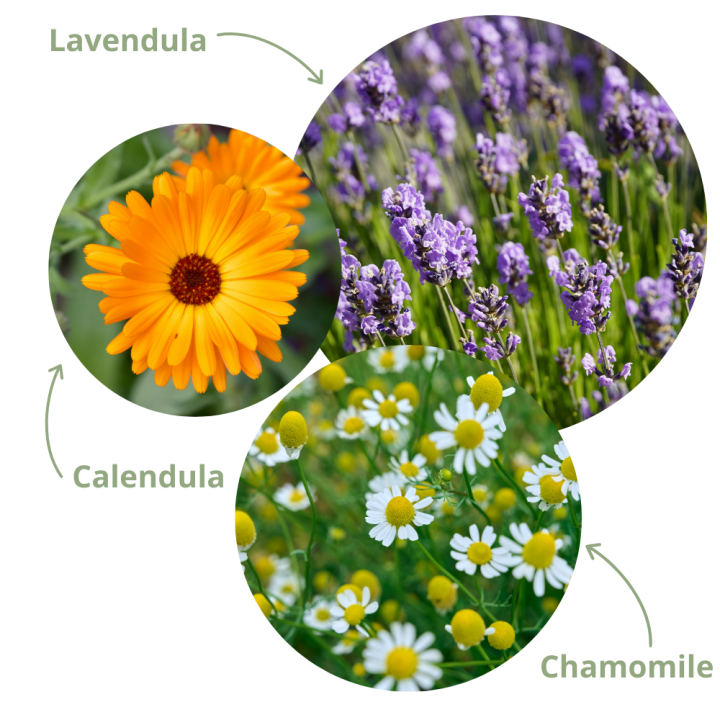
Gone are the days when healing gardens were limited to quiet corners of hospitals or wellness centres. Therapeutic plants deserve a place front and centre in any outdoor space. Many calming or mood-boosting plants, such as lavender, chamomile, and lemon balm, offer soothing fragrances and gentle textures that rival traditional ornamentals. Others, like rosemary, mint, and sage, stimulate the senses and invite mindful engagement through touch, smell, and taste.
Incorporate these wellness-supporting plants into your borders, container arrangements, and even hanging baskets. Mix them with ornamentals to create a garden that nurtures both the body and the mind. For example, pair calming chamomile with cheerful calendula to combine golden blooms with gentle aromatherapy benefits, or let scented geraniums trail alongside classic bedding plants to add a relaxing sensory layer.
A therapeutic garden doesn’t just look beautiful—it's a living space designed to restore, comfort, and inspire.
Growing Great Places
Climate change is reshaping our cities, towns, and homes, demanding a new approach to urban landscape design and maintenance. While climate change is a global issue, its effects are deeply felt at the local level, where we live, work, and play. Each community must find tailored solutions, developing initiatives to address challenges on its streets, parks and playgrounds, and across all its green spaces.
Now, more than ever, our living landscapes are essential to our collective health and well-being. These thriving green spaces are beautiful and provide places for people to gather, connect, and enjoy the outdoors.
The Power of Urban Green Spaces
Urban green spaces — including gardens, parks, transportation corridors, and woodlands — offer countless benefits to people and wildlife. Our green infrastructure plays a key role in:
-
Improving air and water quality
-
Reducing the urban heat island effect and limiting the impact of heat waves
-
Providing spaces for physical activity and reducing stress
-
Enhancing the mental and physical well-being of residents
-
Filtering air and water, helping mitigate climate change impacts
-
Managing stormwater by slowing and storing excess rainwater, reducing flood risk
By investing in and maintaining our green spaces, communities can create resilient, vibrant environments that benefit people and nature. Communities in Bloom continues to support these efforts, encouraging innovative solutions for a greener, healthier future.
September's Favourite Therapeutic Plants
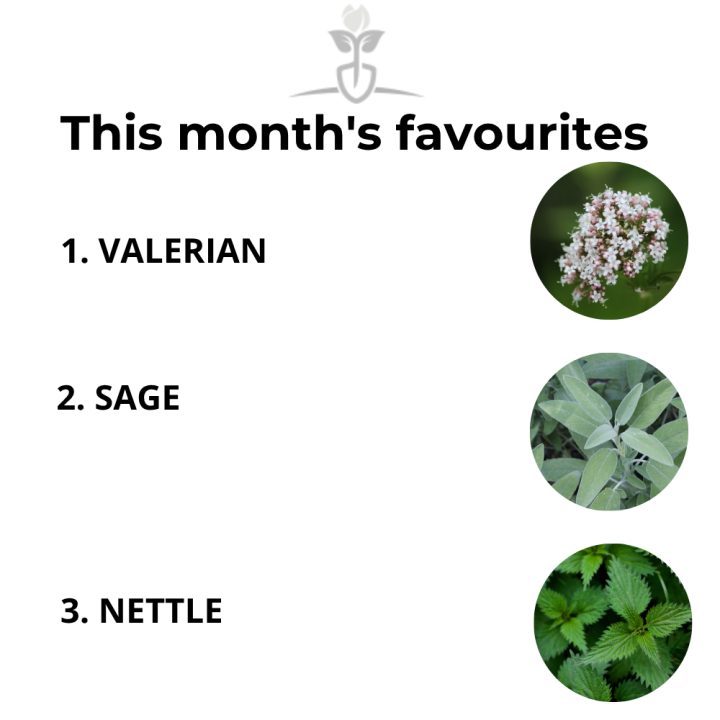
With September’s arrival, these therapeutic plants come fully into focus:
- Valerian is widely recognised for its calming effects and is often used to support relaxation and healthy sleep patterns. Its roots are typically harvested in autumn, making September an important time for this therapeutic herb. Valerian grows best in full sun to partial shade and prefers moist, fertile soil.
- Sage is a versatile medicinal herb traditionally associated with wisdom, clarity, and overall wellbeing. Its aromatic leaves are commonly used in herbal remedies, teas, and culinary applications. Sage thrives in full sun and well-drained soil and remains productive well into the autumn season.
- Nettle is a nutrient-rich plant valued for its mineral content and restorative properties. Often used in herbal tonics and teas, nettle supports overall vitality and wellness. It grows vigorously in moist, fertile soil and can be harvested throughout the growing season, with seeds becoming available in early autumn.
How to Participate in Communities in Bloom?
Communities of all sizes can participate in the Communities in Bloom program, earning recognition and awards that celebrate their efforts to cultivate civic pride and celebrate their community’s unique identity.
Get Involved
Looking to make a difference in your community and support the environment? Communities in Bloom offers the perfect opportunity! Join the movement to create beautiful, sustainable spaces across Canada, inspiring pride and enhancing quality of life through people and plants.