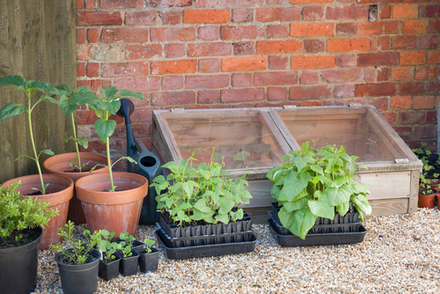
Start planning your veggie garden
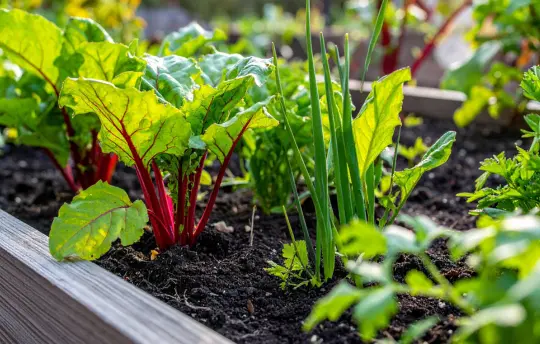
February can feel like the longest month for gardeners. Snow still blankets the ground, temperatures stay stubbornly low, and spring seems far away. But don’t be fooled by the cold outside — February is one of the most exciting months for garden lovers. Why? Because this is when ideas start to grow.
Now is the perfect time to flip through seed catalogues, sketch out your vegetable garden, and dream big about the season ahead. While your garden rests, your imagination doesn’t have to.
Why February Is Prime Planning Time
Planning early gives you a major head start once spring finally arrives. Instead of scrambling when the soil thaws, you’ll already know exactly what to plant and where. February planning helps you:
- Choose the right crops: You have time to research varieties suited to your climate and growing space.
- Avoid impulse planting: A plan keeps your garden productive, balanced, and less overcrowded.
- Order seeds early: Popular vegetable varieties often sell out quickly. Planning now means better selection.
- Maximise harvests: With thoughtful spacing and succession planting, you can grow more food in the same space.
Best of all, planning in winter keeps you connected to gardening during the quietest season of the year.
Dream Big With Seed Catalogues
There’s something special about flipping through seed catalogues in February. Page after page of vibrant tomatoes, crisp greens, and colourful peppers offers pure inspiration. As you browse, think about:
What you loved growing last year — and what you’d skip next time
- New varieties you’ve never tried, like purple carrots or heirloom beans
- Space-saving crops for raised beds or containers
- Quick growers like radishes, lettuce, and spinach for early harvests
- Long-season favourites like tomatoes, squash, and peppers
Pro tip: Keep a notebook handy and jot down varieties, planting dates, and notes as you go. It makes ordering and planting much easier later.
Start Sketching Your Veggie Garden
You don’t need fancy software to plan your garden — a simple pencil sketch works beautifully. Start by outlining your beds or containers, then fill them in with crops.
Consider these planning essentials:
- Sun exposure: Reserve the sunniest spots for heat-loving plants like tomatoes and peppers.
- Crop rotation: Avoid planting the same vegetable families in the same spot year after year to reduce pests and disease.
- Plant spacing: Leave enough room for mature plants — your summer self will thank you.
- Succession planting: Plan where you’ll sow new crops after early ones are harvested.
- Companion planting: Pair plants that support each other’s growth and help deter pests.
A thoughtful layout now saves time, effort, and frustration once the busy season begins.

Think Ahead to Seed Starting
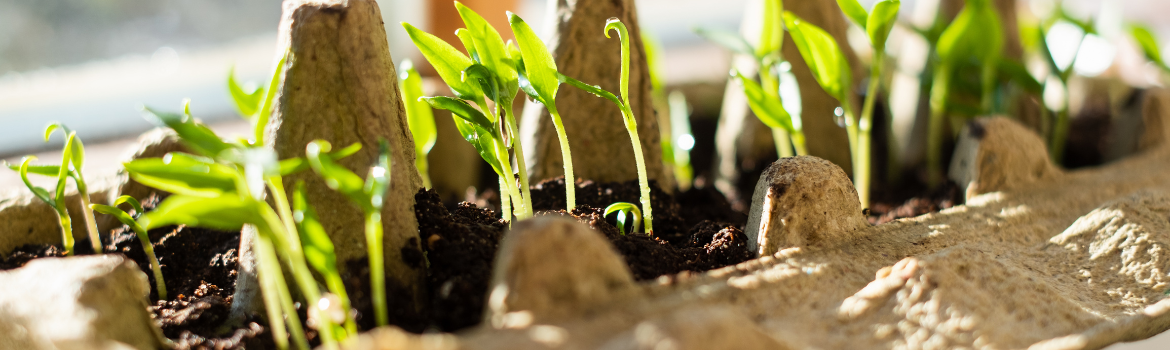
February is also the time to check your seed-starting supplies. Do you have enough trays, pots, labels, and lights? Some vegetables, like onions, leeks, peppers, and tomatoes, need a long head start indoors. Knowing what you plan to grow helps you time indoor sowing perfectly.
Even if you’re not starting seeds yet, planning now ensures you’ll be ready when the moment arrives.
Visit Your Local Garden Centre for Inspiration
Many Canadian garden centres begin stocking seeds early in the year. Visiting now can spark ideas and help you discover locally adapted varieties that perform well in your region. Staff can also offer advice on planting schedules, seed starting, and veggie varieties suited to your space and experience level.
Supporting local growers and suppliers means stronger gardens — and stronger communities.
Let February Fuel Your Garden Dreams
While winter still has a firm grip on the outdoors, February invites gardeners to look ahead. Planning your veggie garden now turns waiting into something joyful and creative.
So grab a seed catalogue, sharpen a pencil, and let yourself dream of fresh salads, sun-warmed tomatoes, and baskets of homegrown produce. Spring will be here before you know it — and your garden will be ready.