Seed-Starting Season Has Arrived!
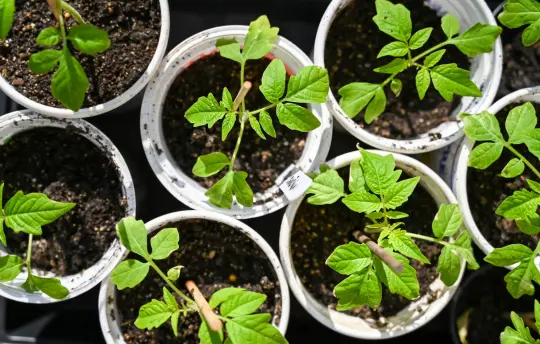
For many Canadian gardeners, this is the moment we’ve been waiting for: seed-starting season is officially here. While snow may still cover the ground outside, indoors is where the growing begins. Late winter and early spring are the ideal time to start warm-season crops like peppers and tomatoes, along with slow-growing herbs that benefit from an early head start.
Starting seeds indoors is one of the most rewarding parts of gardening. Tiny seeds become sturdy seedlings under your care — and before you know it, you’re well on your way to a productive, home-grown harvest.
Why Start Seeds Indoors?
Canada’s growing season can be short, especially in cooler regions. Starting seeds indoors gives plants extra time to develop before they’re moved outside after the last frost.
Here’s why indoor seed starting is worth the effort:
- Stronger plants: Seedlings grown at home are often sturdier and better adapted to your garden conditions.
- Earlier harvests: A head start means earlier tomatoes, peppers, and herbs.
- More variety: You’re not limited to what’s available as transplants — you can grow unique heirloom and specialty varieties.
- Cost-effective: A packet of seeds produces many plants for the price of one nursery transplant.
- Pure joy: Watching seeds sprout is a powerful reminder that spring is coming.
What to Start Now
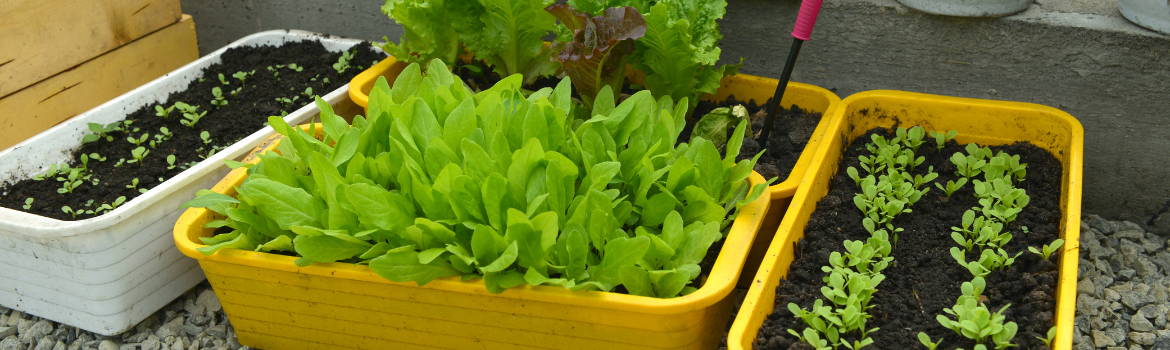
Not all plants need an early start, but some truly benefit from being sown indoors weeks before planting out.
Great choices to start now include:
- Peppers: Sweet and hot peppers are slow growers and need warmth to germinate. Starting them early is key to a good harvest.
- Tomatoes: From cherry to beefsteak, tomatoes love a head start indoors to develop strong roots and stems.
- Slow-growing herbs: Basil, rosemary, thyme, oregano, and sage all benefit from early indoor sowing.
- Onions and leeks: These long-season crops are also excellent candidates for indoor seed starting.
Always check seed packets for recommended sowing times based on your local frost date.
Seed-Starting Basics for Success
You don’t need a greenhouse to start seeds successfully — just a few essentials and a little care.
What you’ll need:
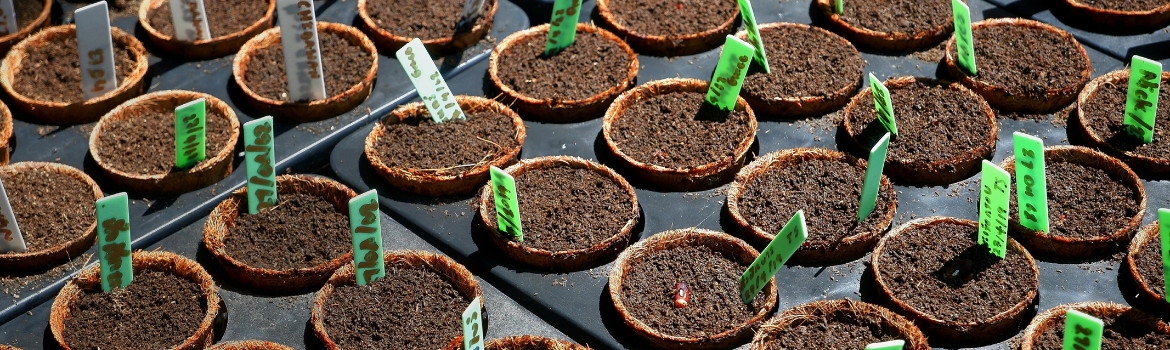
- Seed trays or small pots with drainage
- High-quality seed-starting mix (lighter than garden soil)
- Seeds
- Plant labels
- A bright window or grow lights
- A spray bottle or gentle watering can
Helpful tips:
- Use the right soil: Seed-starting mix drains well and prevents damping-off disease.
- Don’t plant too deep: Most seeds only need a light covering of soil.
- Provide warmth: Many seeds germinate best at 20–25°C. A heat mat can be helpful, especially for peppers.
- Light is crucial: As soon as seeds sprout, they need bright light to prevent leggy growth.
- Water gently: Keep soil moist but not soggy. Consistency matters.
Timing Matters
Starting seeds too early can lead to overgrown, stressed seedlings before planting time. As a general guideline, peppers and slow herbs are started earlier than tomatoes. Knowing your local last frost date helps you count backwards and time your sowing just right.
Keeping a simple seed-starting calendar or garden journal can make this process much easier year after year.
Visit Your Local Garden Centre
Your local Canadian garden centre is the best place to gear up for seed-starting season. From seeds and soil to trays, grow lights, and heat mats, they have everything you need — plus expert advice tailored to your climate and growing conditions.
Many centres carry seed varieties chosen specifically for local success, giving your seedlings the best possible start. Supporting local also means investing in knowledge, quality, and community.
Spring Starts Indoors
Seed-starting season is a turning point for gardeners. It’s the moment winter begins to loosen its grip and the promise of fresh harvests feels real again. By starting peppers, tomatoes, and slow-growing herbs indoors now, you’re setting yourself up for a healthier, more productive garden later on.
So fill those trays, label your pots, and watch for those first green shoots. Spring may still be weeks away — but your garden has already begun.