Time to Feed Your Plants for a Strong, Healthy Start
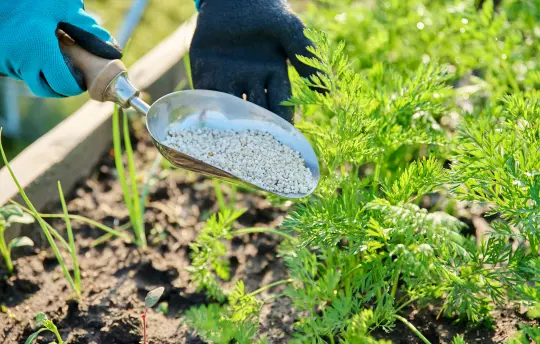
As the growing season kicks into gear, your plants are waking up, stretching their roots, and getting ready to put on serious growth. But just like us, they need the right nutrients to thrive. That’s why now is the perfect time to feed your plants with a balanced fertiliser — giving both veggies and flowers the strong start they deserve.
Whether you’re growing tomatoes, leafy greens, or colourful annuals, a little extra nourishment now can make a big difference later in the season.
Why Feeding Matters Right Now
After months of winter dormancy or early spring growth, soil nutrients can be depleted — especially in containers or well-used garden beds. Feeding your plants helps replenish what’s missing and supports healthy development.
Here’s what a balanced fertiliser can do:
- Encourage strong root growth for better water and nutrient uptake
- Promote lush, green foliage
- Support flowering and fruiting later in the season
- Boost overall plant resilience against stress, pests, and weather changes
Think of fertiliser as giving your garden the fuel it needs to grow strong and productive.
What Is a Balanced Fertiliser?
A balanced fertiliser contains equal or near-equal amounts of the three key nutrients:
- Nitrogen (N): Supports leafy growth
- Phosphorus (P): Encourages roots and flowers
- Potassium (K): Strengthens overall plant health
You’ll often see this as something like a 10-10-10 or 5-5-5 ratio on the label. These all-purpose blends are perfect for early-season feeding when plants need a bit of everything.
How to Feed Your Plants Properly
Fertilising doesn’t have to be complicated — but a few best practices help you get it right:
- Follow instructions: More is not better. Overfeeding can damage roots or cause excessive leafy growth.
- Water first (if using liquid fertiliser): This helps nutrients absorb evenly and prevents root burn.
- Apply evenly: Whether using liquid or granular fertiliser, distribute it carefully around the root zone.
- Feed regularly, but not too often: Every 2–4 weeks is usually enough during active growth.
- Adjust for plant type: Veggies, flowers, and herbs may have slightly different needs — check labels or ask for advice.
Liquid vs Granular: What’s the Difference?
- Liquid fertiliser: Fast-acting and easy to apply with a watering can. Great for quick boosts.
- Granular fertiliser: Slow-release and long-lasting. Ideal for garden beds and less frequent feeding.
Many gardeners use a combination of both for steady, consistent growth.
Don’t Forget Containers & Hanging Baskets
Plants growing in pots, containers, and hanging baskets need extra attention. Nutrients wash out more quickly with watering, so regular feeding is especially important here. A weekly or bi-weekly liquid feed can keep container plants lush, colourful, and full of life all season long.
Ask Your Local Garden Centre
Not sure which fertiliser to choose? Your local Canadian garden centre is the best place to start. They can recommend products suited to your soil, plant types, and climate — including organic and locally produced options.
Shopping local means better advice, better results, and support for Canadian growers and suppliers.
Feed Now, Thrive Later
A healthy garden starts with healthy soil — and giving your plants the nutrients they need early in the season sets the stage for everything that follows.
So grab a balanced fertiliser, give your veggies and flowers a boost, and watch your garden take off. A little feeding now leads to bigger blooms, better harvests, and a thriving outdoor space all season long.