Bring on the Buzz!
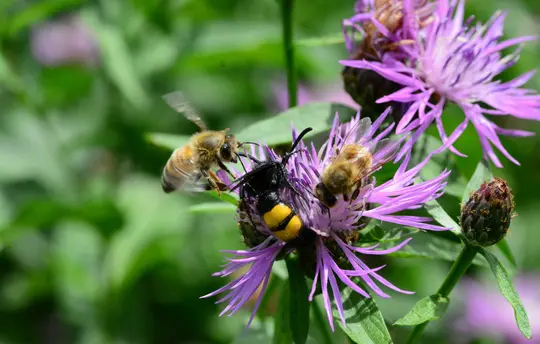
A thriving garden is about more than beautiful flowers and abundant harvests — it’s also about the incredible creatures that help make it all possible. Bees, butterflies, and other pollinators play a vital role in our ecosystems, helping flowers bloom, fruits develop, and vegetables produce the crops we enjoy all season long.
The good news? Supporting pollinators is easy. By planting bee-friendly favourites like lavender, salvia, and coneflower, you can create a colourful garden that benefits both wildlife and your plants. Before long, your outdoor space will be buzzing with life.
Why Pollinators Matter
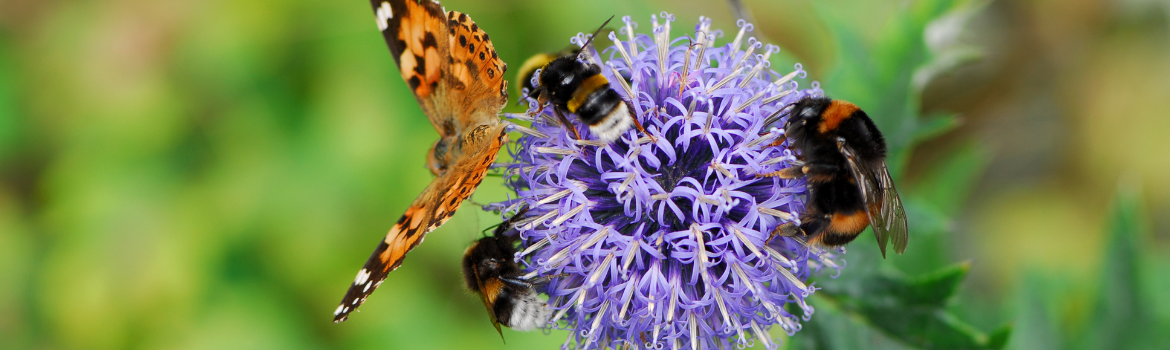
Pollinators are some of the hardest-working visitors in the garden. As they move from flower to flower collecting nectar and pollen, they help plants reproduce and produce seeds, fruits, and vegetables.
A healthy pollinator population helps:
- Improve vegetable and fruit harvests
- Increase flower production
- Support local biodiversity
- Strengthen natural ecosystems
- Create a more vibrant, active garden
Without pollinators, many of our favourite garden plants simply wouldn't perform as well.
Top Bee-Friendly Flowers to Plant
If you want to attract more pollinators, start with plants that provide abundant nectar and pollen.
Lavender
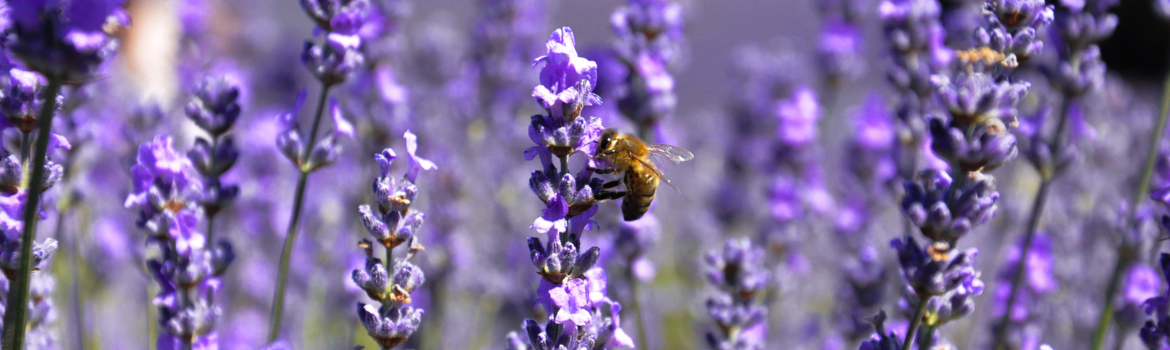
Lavender is a pollinator favourite for good reason. Its fragrant purple flower spikes attract bees throughout the summer and add beauty, scent, and structure to the garden.
Benefits:
- Long blooming period
- Drought tolerant once established
- Excellent for borders and containers
Salvia
Salvia produces colourful flower spikes that are irresistible to bees, butterflies, and hummingbirds. Available in a variety of colours, it's an easy way to add pollinator appeal to sunny garden beds.
Benefits:
- Continuous blooms throughout summer
- Easy to grow
- Great for mixed perennial borders
Coneflower (Echinacea)
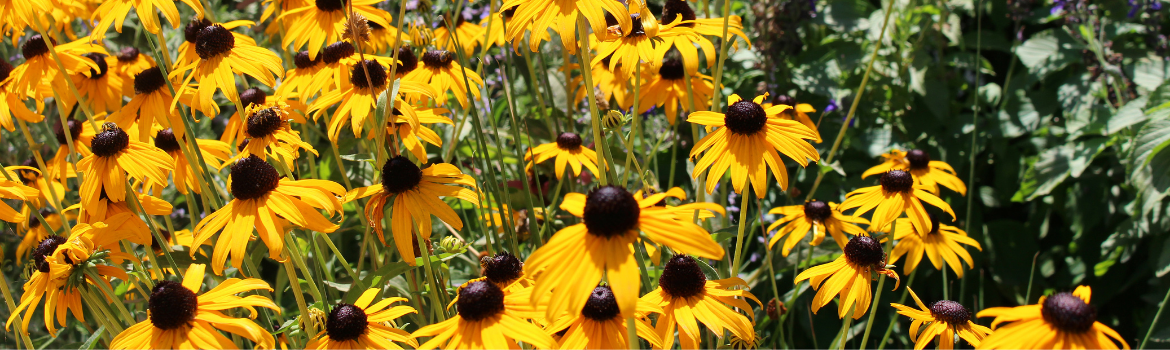
Coneflowers are a Canadian garden classic. Their large, daisy-like blooms provide nectar for pollinators during the growing season, while seed heads feed birds later in the year.
Benefits:
- Native-friendly perennial
- Extremely hardy
- Attractive from summer into fall
Create a Pollinator-Friendly Garden
A few thoughtful choices can make your garden even more welcoming to beneficial insects.
- Plant in groups: Clusters of the same flower are easier for pollinators to find.
- Choose a variety of bloom times: Ensure something is flowering from spring through fall.
- Provide water: A shallow dish with stones gives bees a safe place to drink.
- Limit pesticide use: Many chemicals can harm beneficial insects.
- Leave some wild areas: Even a small patch of natural habitat can support pollinator populations.
The more diverse your plantings, the more pollinators you'll attract.
Pollinators Help Your Veggie Garden Too
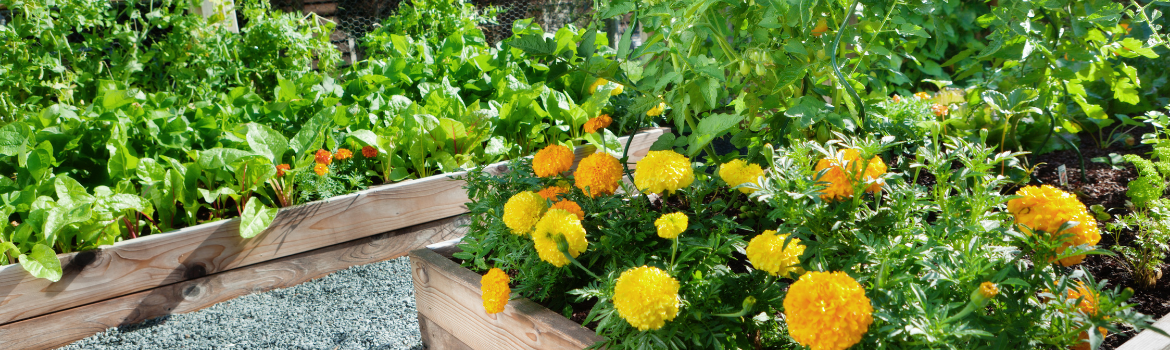
Bee-friendly flowers don't just look beautiful — they also benefit nearby vegetables. Tomatoes, cucumbers, squash, pumpkins, beans, and many fruit crops all rely on pollinators to varying degrees.
Planting flowers near vegetable beds encourages more visits from pollinating insects, which can lead to better yields and healthier plants.
It's a simple strategy with big rewards.
Visit Your Local Garden Centre
Your local Canadian garden centre is a great place to discover pollinator-friendly plants suited to your region. Staff can recommend flowers that bloom at different times of year and help you create a garden that supports bees, butterflies, and other beneficial insects from spring through fall.
Many garden centres also carry native plant selections that are especially valuable to local pollinator populations.
Plant Flowers, Support Nature
Adding pollinator-friendly plants is one of the easiest ways to make a positive impact in your garden. With colourful blooms like lavender, salvia, and coneflower, you'll create a beautiful outdoor space while supporting the insects that help gardens thrive.
So plant a few pollinator favourites this season and enjoy the sights and sounds of a garden buzzing with life. Your flowers, vegetables, and local wildlife will all benefit.