Begin Waking Up Your Houseplants
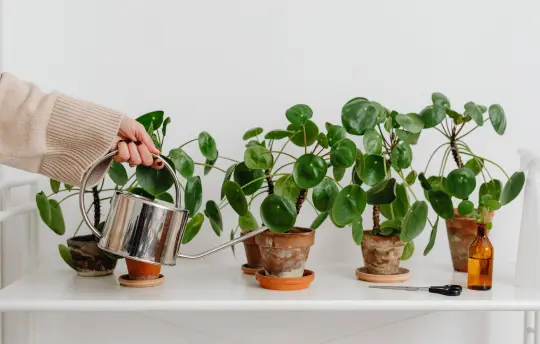
As winter slowly loosens its grip, something subtle but exciting starts to happen indoors. The days grow longer, the sun sits higher in the sky, and your houseplants begin to notice. After months of resting, many plants are ready to wake up — and now is the perfect time to gently support that transition.
Late winter and early spring are all about easing houseplants back into growth mode. With a few simple adjustments, you can help them put out fresh leaves, stronger roots, and healthier growth for the months ahead.
Step One: Give Them More Light
Light is the first signal plants respond to as the seasons change. In winter, low light levels slow growth and push plants into dormancy. As daylight increases, it’s time to reassess placement.
- Move plants closer to bright windows, especially those facing south or west
- Rotate pots every week or two to keep growth even
- Clean dusty leaves so plants can photosynthesise more efficiently
If you notice plants leaning toward the light or producing smaller, paler leaves, that’s a clear sign they want more brightness.
Step Two: Adjust Your Watering
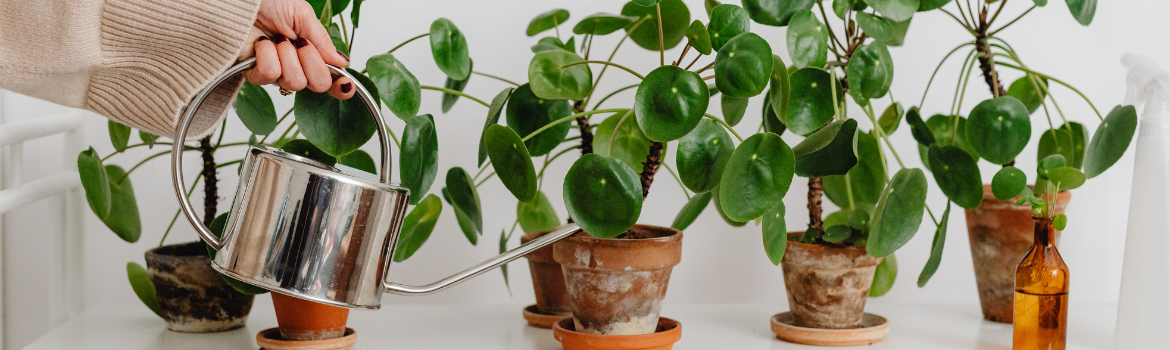
During winter, most houseplants need very little water. As growth resumes, their thirst increases — but slowly.
- Check soil moisture more often
- Water when the top few centimetres feel dry
- Avoid soaking soil too frequently, as roots are still adjusting
The goal is consistency, not excess. Overwatering is still the biggest risk at this time of year, especially while nights remain cool.
Step Three: Consider Light Feeding
Once you see signs of new growth — tiny leaves, fresh shoots, or stronger colour — you can begin fertilising again.
- Use a balanced liquid houseplant fertiliser
- Start at half strength
- Feed every 3–4 weeks
Fertiliser gives plants the nutrients they need to support new growth, but too much too soon can do more harm than good. Think of this as a gentle nudge, not a full meal.
Other Early-Season Houseplant Care Tips
This is also a great moment to give your plants a general check-in:
- Inspect for pests: Dry winter air can encourage spider mites or scale
- Trim dead or yellowing leaves: This redirects energy into healthy growth
- Repot if needed: If roots are circling the pot or pushing out the drainage holes, spring is the best time to size up
- Increase humidity: Group plants together or use a pebble tray to counter dry indoor air
Small actions now can prevent bigger problems later.

Not All Plants Wake Up at the Same Pace
Just like outdoor gardens, houseplants don’t all grow on the same schedule. Some tropical plants respond quickly to longer days, while others take their time. Let your plants guide you — new growth is your green light to increase care.
Succulents, cacti, and slow growers may need even more patience, while foliage plants like pothos, monstera, and philodendron often spring into action early.
Visit Your Local Garden Centre
Your local garden centre is a great resource this time of year. Whether you’re looking for fertiliser, fresh potting mix, new pots, or advice on a struggling plant, expert help is close to home. Many centres also stock grow lights and humidity solutions to support healthy indoor growth through late winter and early spring.
Gentle Changes, Big Results
Waking up your houseplants isn’t about drastic changes — it’s about paying attention. A bit more light, slightly more water, and the right nutrients at the right time can make all the difference.
Your plants are ready to grow again, and with a little care, they’ll reward you with fresh leaves, stronger growth, and a greener home.